Summaries > Technology > Claude > The Pi Coding Agent: The ONLY REAL Claude Code COMPETITOR...
The Pi Coding Agent: The Only Real Claude Code Competitor
https://www.youtube.com/watch?v=f8cfH5XX-XU
TLDR Pi is a highly customizable, open-source coding tool designed for advanced engineers, contrasting sharply with Cloud Code, which is user-friendly but lacks flexibility. While Cloud Code is great for straightforward, enterprise-level needs, Pi empowers users to tailor their workflows with features like task management, agent orchestration, and extensive customization options. The discussion encourages engineers to experiment with both tools for a more productive coding experience.
Choose the Right Tool for Your Needs
Selecting the right coding tool is crucial for maximizing productivity and satisfaction. While Cloud Code is highly effective for straightforward tasks due to its robust support and features, Pi shines when it comes to customization and tailored workflows. Engineers should assess their specific needs before committing to a tool; opting for Cloud Code for mainstream needs and Pi for specialized tasks can create a balance that leverages the strengths of both platforms. This strategic choice allows for enhanced efficiency while minimizing frustrations with limitations.
Embrace Customization with Pi
Pi offers extensive customization options, empowering engineers to personalize their coding environment significantly. Utilizing features like the ability to stack multiple extensions and customize the user interface can enhance focus and usability. By systematically turning off unnecessary screens and modifying command outputs, engineers can create a work environment that aligns with their preferences and minimizes distractions. Experimenting with customization options allows engineers to develop a unique agent that caters specifically to their workflow needs.
Leverage Multi-Agent Pipelines
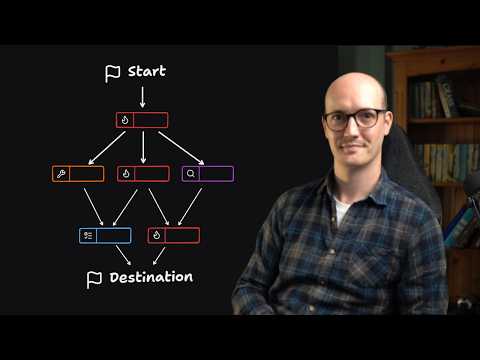
Creating a network of specialized agents can streamline workflows and improve coding efficiency. By utilizing different roles such as scout, planner, and builder, engineers can optimize task execution and enhance collaborative efforts. For example, a scout agent can gather necessary data, while a builder agent focuses on implementation based on that information. Customizing these agents and using YAML for configuration helps in establishing clear roles and responsibilities, resulting in a more efficient and structured development process.
Utilize Task Management Extensions
Integrating task management extensions into your agent workflow enhances organization and execution efficiency. The ability to create and track to-do lists allows engineers to prioritize tasks systematically, ensuring a tiered approach to project completion. Pi's flexibility in choosing AI models and confirming actions with users creates an organized structure for complexity management. By employing these task management features, engineers can effectively navigate their coding responsibilities, enabling them to stay on target and focused on project deadlines.
Experiment and Push Boundaries
One of the greatest advantages of using Pi is the encouragement to experiment with different configurations and capabilities. Diving into the customization options and testing various workflows allows engineers to uncover unique solutions and enhance their productivity. This creative experimentation not only leads to optimized individual workflows but also fosters innovation in engineering practices. Engineers should view their coding agents as an opportunity for exploration and growth, seeking to push beyond conventional usage patterns to discover more effective methods of working.
What is Pi and how does it compare to Cloud Code?
Pi is an open-source, customizable tool seen as a competitor to Cloud Code, which is criticized for prioritizing profit over user satisfaction. Pi offers more flexibility and customization for advanced engineers, while Cloud Code provides a good out-of-the-box experience.
What customization features does Pi offer?
Pi allows extensive customization, including adjusting the user interface, stacking multiple extensions, and adding widgets for improved usability. It also supports customizing command outputs and footer features.
What are the differences between Pi and Cloud Code in terms of agent capabilities?
Unlike Cloud Code, Pi requires users to build sub-agent functionality themselves. Pi allows for personalized agent experiences and offers features like a 'till done' workflow, while Cloud Code focuses on straightforward implementations.
How does Pi facilitate task management?
Pi includes an agentic workflow extension that creates a to-do list of tasks, emphasizing confirmation from engineers before executing actions. It supports a tiered approach to task management.
What is multi-agent orchestration in Pi, and why is it important?
Multi-agent orchestration in Pi involves forming teams of specialized agents (like scout, planner, builder, etc.) to accomplish tasks efficiently, emphasizing specialization for differentiated results.
How is Pi better for enterprises seeking customization?
Pi is recommended for those who need deep customization and control over their coding environments, while Cloud Code is seen as more suitable for large enterprises needing robust support.
What is the recommended strategy for using Pi and Cloud Code together?
The speaker suggests using a combination of both tools, with an 80% allocation to Cloud Code for mainstream needs and 20% to Pi for special tasks, highlighting the importance of experimentation with open-source options.
 The AI Resistance is Forming...
 How I manage 15 AI agents 24/7 as a solo founder | ...
 The 7 Steps to a Profitable Trading System | Ariel ...
 /wayfinder: Nothing is too big to plan anymore...
 The Pi Coding Agent: The ONLY REAL Claude Code COMP...
 Entry tactic: 6/20 setup...